
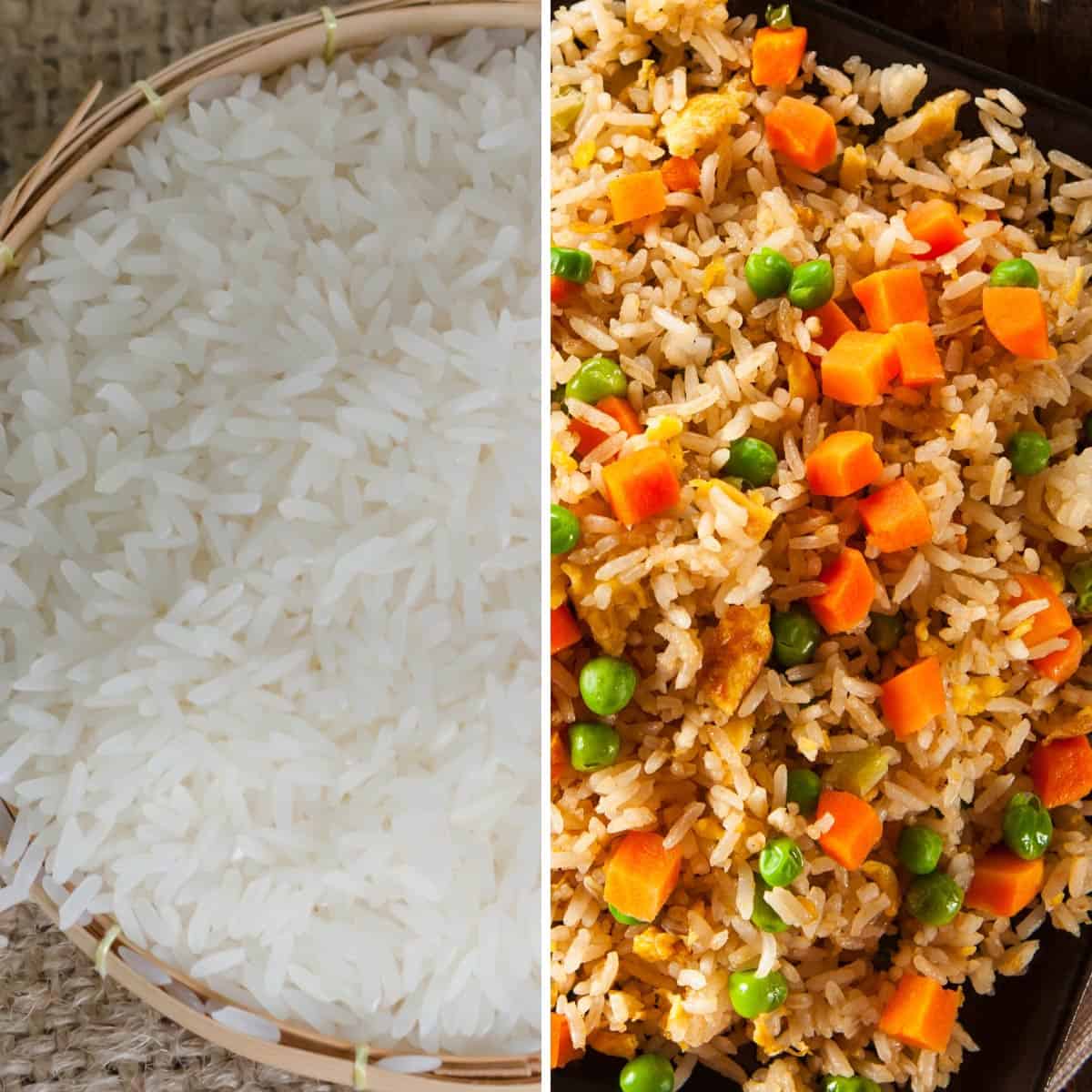
Rice is a staple in many cuisines worldwide, especially in Asian countries. It is versatile, filling, and can be prepared in countless ways. But when it comes to choosing between steamed and fried rice, many often wonder which option is healthier. Let’s explore steamed and fried rice, their differences and similarities, nutritional values and, finally, which is the better choice for your dinner.
Background content: is this popular at certain times of the year? Special holidays?
This was inspired by my other recipe on this site, and pairs well with this wonderful recipe. Contextual, content links are much more valuable than a group listed at the bottom of the post.
Jump to:
What Is Steamed Rice
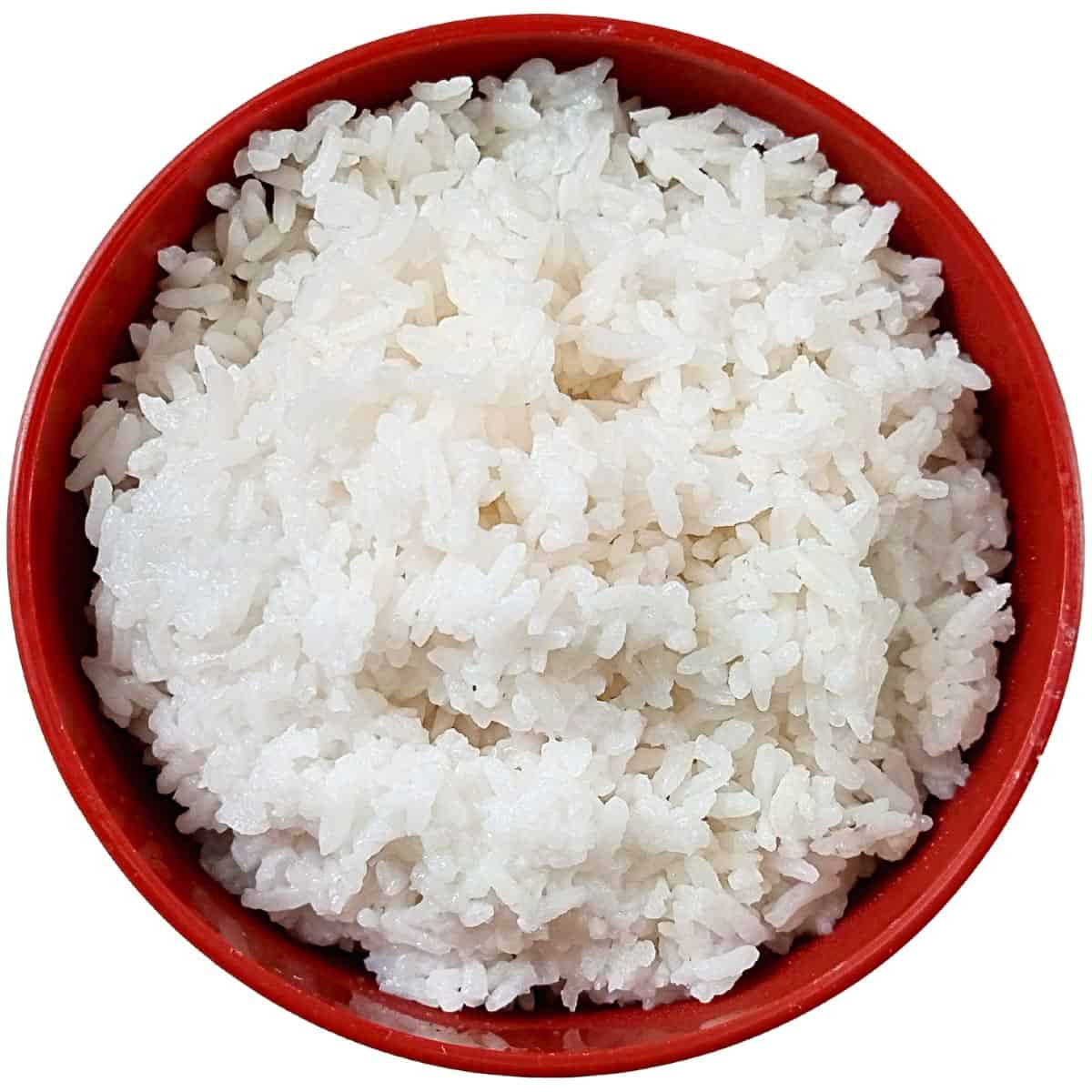
Steamed rice is basically plain rice cooked with water or steam. It can be white, brown, red or even black rice. It is a popular side dish in Asian cuisine and often acts as a blank canvas, complementing and soaking up flavors of other dishes. It is simple, unobtrusive, and does not compete with the flavors of the main course.
What Is Fried Rice
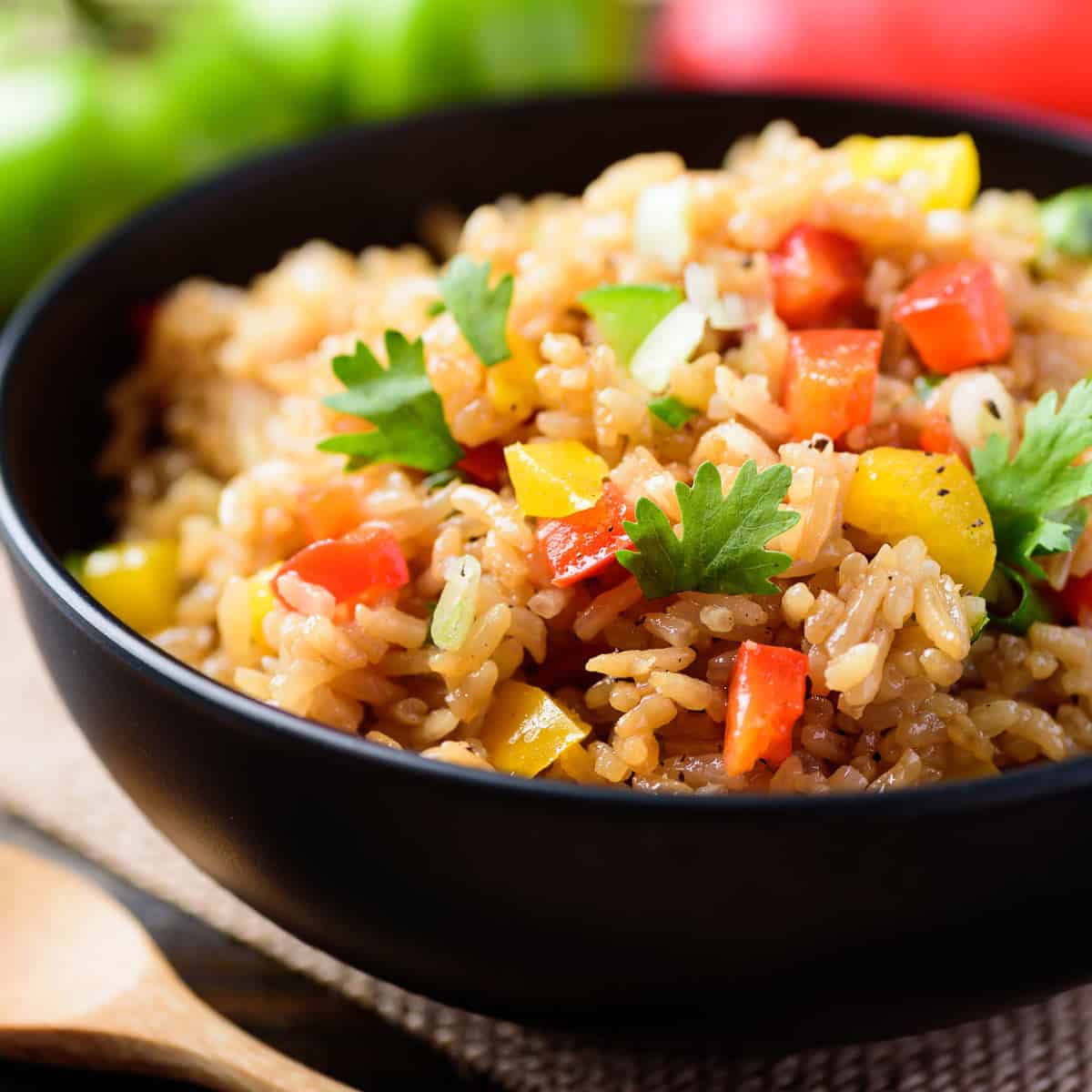
Fried rice, a popular dish in Asian cuisine, involves fried rice cooked with vegetables, meat, eggs and spices. It is often cooked in sesame oil and seasoned with soy sauce, turning it into a delicious dish that can stand alone as a main course.
Differences Between Steamed and Fried Rice
The main differences between steamed and fried rice are their cooking methods, ingredients and flavors. Steamed rice is cooked in water, making it simpler and lighter in flavor. On the other hand, fried rice is cooked with oil and various other ingredients, making it richer in flavor and texture.
The Basic Difference
- Steamed Rice: At its heart, steamed rice is about simplicity and purity. This method involves cooking rice in water until it absorbs the liquid and becomes soft. The result is fluffy and soft grains that are subtly flavored. It is the perfect backdrop for more boldly flavored dishes, absorbing and complementing their sauces and spices. Think of it as the quiet hero of a meal, supporting and enhancing without overwhelming.
- Fried Rice: Now, fried rice is the extrovert cousin. It starts similarly with cooked rice, but then it is fried in oil and often combined with various ingredients such as vegetables, eggs, meat and various spices. This process imbues the rice with a rich, delicious flavor profile and slightly crispy texture. Fried rice can be a meal, full of flavors and textures.
Nutritional Aspect
- Steamed Rice: Steamed rice is a healthier alternative in terms of calories and fat. Especially when you choose brown rice or wild rice, you are looking at a dish with a lower glycemic index, which makes it a good choice for blood sugar management.
- Fried Rice: Because of its additional ingredients such as vegetable oil and various sauces, it tends to be higher in calories. However, it is a complete meal, often incorporating different textures and nutrients from the added vegetables and proteins.
Flavor Profiles
- Steamed Rice: In Asian cuisine, steamed rice is more than just a side dish; it is a versatile base that complements a variety of main dishes. It is the ideal companion for spicy and savory dishes, whose simple taste balances the rich flavors. Its flavor is mild and understated, making it a great side dish that pairs well with anything rich. adobe to spicy porridge.
- Fried Rice it’s about bold and complex flavors. Combining sauces such as soy or oyster sauce, garlic, onions and other ingredients makes a very tasty dish.
Culinary Techniques
- Steamed Rice: Cooking steamed rice requires precision in the water-to-rice ratio and cooking time. The goal is to achieve perfectly fluffy and distinct grains. Rice cookers have made this process almost foolproof, but cooker methods work just as well with a little attention.
- Fried Rice: Culinary creativity shines here. Fried rice is a great way to repurpose leftovers, and there’s a lot of room for improvisation. The key is to use rice that is a bit dry (day-old rice is perfect), cooking pre-cooked rice in oil, where it takes on a slightly crunchy texture and absorbs the flavors of the added ingredients. Fried rice is a canvas for creativity, allowing a mix of different ingredients to create delicious dishes.
Similarities Between Steamed and Fried Rice
- The Foundation – Rice: Whether it’s the fluffy steamed rice or the delicious fried rice, both dishes start with the same hero ingredient – rice. This could be any rice – jasmine rice for its fragrant allure, brown rice for a nuttier, healthier twist, or the classic plain white rice for its versatility.
- Versatility in Types of Rice Used – Both steamed and fried rice can be made with different types of rice, offering different textures and nutritional values. Whether you go for long grain rice with a more distinct, fluffy texture or short sticky rice perfect for a more robust fried rice, rice plays a key role in both dishes.
- Culinary Flexibility – Steamed and fried rice are versatile staples in Asian cuisine. Steamed rice, often seen as a side dish, is perfect for soaking up the rich flavors of main courses, while fried rice, packed with various ingredients such as small pieces of vegetables and meat, can stand alone as a main course. This flexibility makes them a staple in every diner’s kitchen, especially on those rice nights when comfort food is the call of the hour.
- Nutritional Value – Both types of rice offer nutritional benefits. Steamed rice, especially when made with brown rice or whole grain rice, provides essential carbohydrates with a lower glycemic index. Fried rice, meanwhile, can be a balanced meal with protein, vegetables and carbohydrates, especially when made with less oil and more vegetables.
- Cultural Meaning – In many Asian countries, especially Filipino cuisine, rice is a staple. It is the heart of many meals, whether in simple steamed rice accompanying a delicious adobo or a lively plate of fried rice, such as the Philippine Garlic Fried Rice.
- Cooking method Adaptability – Both dishes can be adapted to various cooking methods. A rice cooker can be perfect for steamed rice, while a hot wok is ideal for fried rice. But don’t worry if you don’t have these – a regular steamed rice pot and fried rice pan do the job wonderfully!
- Canvas for Tastes – While steamed rice is often served plain, it acts as a blank canvas, absorbing and complementing the flavors of other dishes. On the other hand, Fried rice is a delicious dish on its own, but it also starts with plain rice, which is then jazzed up with seasonings like soy sauce, sesame oil, and other delicious ingredients.
Which is Healthier
Did you guess correctly?
In terms of pure health benefits, steamed rice takes the crown. It’s lower in calories and fat and often more nutrient-dense, especially if you choose brown or whole-grain varieties. It is a foodie’s best friend for a balanced diet.
Frequently Asked Questions
The choice between steamed rice and fried rice for dinner depends on the main dish and personal preferences. With its subtle flavor, steamed rice is an excellent accompaniment to rich, flavorful dishes. It lets the main course shine without overpowering it. Full of its flavors, Fried rice is perfect as a main dish or with simpler, less spiced dishes.
Absolutely! White rice is basically the grain used to make steamed rice. You can easily replace one with the other. If a recipe calls for steamed rice and you only have white rice, steam it. The key is the cooking method – steamed for lighter, fluffier grains and fried for a richer, tastier dish.
No doubt! Use brown or whole grain rice for added fiber to make fried rice healthier. Choose less oil, preferably a healthier option like olive oil. Increase the amount of vegetables for additional nutrition, and use lean proteins. Also consider low sodium alternatives for soy sauce and other seasonings to reduce salt consumption.
While day-old rice is preferred for fried rice because of its drier texture, you can also use fresh rice. Spread it on a baking sheet to cool and dry before frying. This helps prevent the rice from becoming mushy.
Long-grain rice, such as jasmine rice, is usually the best for fried rice because it stays separate and doesn’t stick together. However, for a healthier option, you can experiment with different types based on personal preferences, including brown rice.
To add flavor to steamed rice, cook it in broth instead of water. You can also add herbs, pandan leaves or a little butter for extra flavor.
Fried rice can be part of a weight loss diet if made with healthier ingredients and cooking methods. Use minimal oil, lean proteins and lots of vegetables, and consider using brown rice or cauliflower rice as a low-carb option. Remember, the key is moderation.
To prevent soggy fried rice, use rice that has been aged or cooled and dried. This reduces the humidity. Also, avoid overcrowding the pan and frying in batches to ensure that each grain is fried properly.
Boost the nutritional value of your fried rice by adding a variety of vegetables such as carrots, peas, peppers and leafy greens. Incorporate lean proteins like chicken, tofu, or shrimp, and use healthy oils and low-sodium sauces for flavor.
Conclusion
Both steamed and fried rice have their place in the culinary world. While steamed rice is the healthier choice due to its lower calorie and fat content, fried rice offers a rich flavor that can make it an appealing main dish. Ultimately, the choice depends on your personal preferences, dietary needs and the type of meal you are preparing. Both can be part of a tasty and balanced diet, whether steamed or fried rice.
Cooking Tips for Noodles
Things you need to know about noodles.
Cooking Tips for Rice
Things you need to know about rice.
Please share @JOZmahal on social. Thank you!