
Embark on a culinary journey with our Ginisang Monggo recipe, a delightful fusion of mung beans, succulent pork and vibrant vegetables. This traditional Filipino dish not only brings an explosion of flavors to your palate, but also carries the rich cultural heritage of the Philippines. Join us in exploring the simplicity, versatility and nutritional goodness of Ginisang Monggo – a hearty dish that has graced Filipino tables for generations.

A bit of personal background on this dish. Ginisang Monggo was one of my dad’s favorite dishes. And so, for Father’s Day, I will make this dish in his honor. Here’s to you, Dad! 🧡
Jump to:
History
Ginisang monggo can be said in many different ways. From gisang mongo and ginisang mung to mung or monggo guisado, it is a popular comfort food that features stir-fried mung beans (mongo) and is often cooked with various vegetables, meat or seafood.
Monggo Guisado results from the fusion of indigenous Filipino ingredients and cooking techniques with those introduced by colonizers. The dish reflects the ingenuity of Filipino chefs in creating delicious and nutritious meals with locally available ingredients.
Over time, Monggo Guisado has evolved, and different regions and households may have variations. The dish showcases the diversity within Filipino cuisinewhere recipes can vary from one family to another.
What Are Monggo Beans?
Mung beans are the same as mung beans. We say monggo or mungo in Tagalog.
Mung beans are widely used in many Asian cuisines. The beans are green and small, with a white spot in the center. They taste mild, like potatoes.
Mung beans belong to the legume family.

When is Monggo Guisado usually served?
Monggo Guisado is often served as a regular meal in Filipino households. This mongo dish is popular filipino a dish during Lent (holy week) as a meat-free option.
While it is more often a home-cooked meal, variations of mongo dishes could be included on special occasions, in larger feasts or gatherings.
Ingredients
- Mung beans (mung beans)
- Pork Belly
- onion
- garlic
- Tomatoes
- spinach
- Water
- Fish sauce or Salt
- Ground black pepper
- Cooking oil for sautéing
Instructions

Step 1: Rinse the mung beans. And remove any impurities.

Step 2: Combine mung beans and 4 cups water in a saucepan. Simmer until the beans are cooked.

Step 3: Prepare the rest of the ingredients.
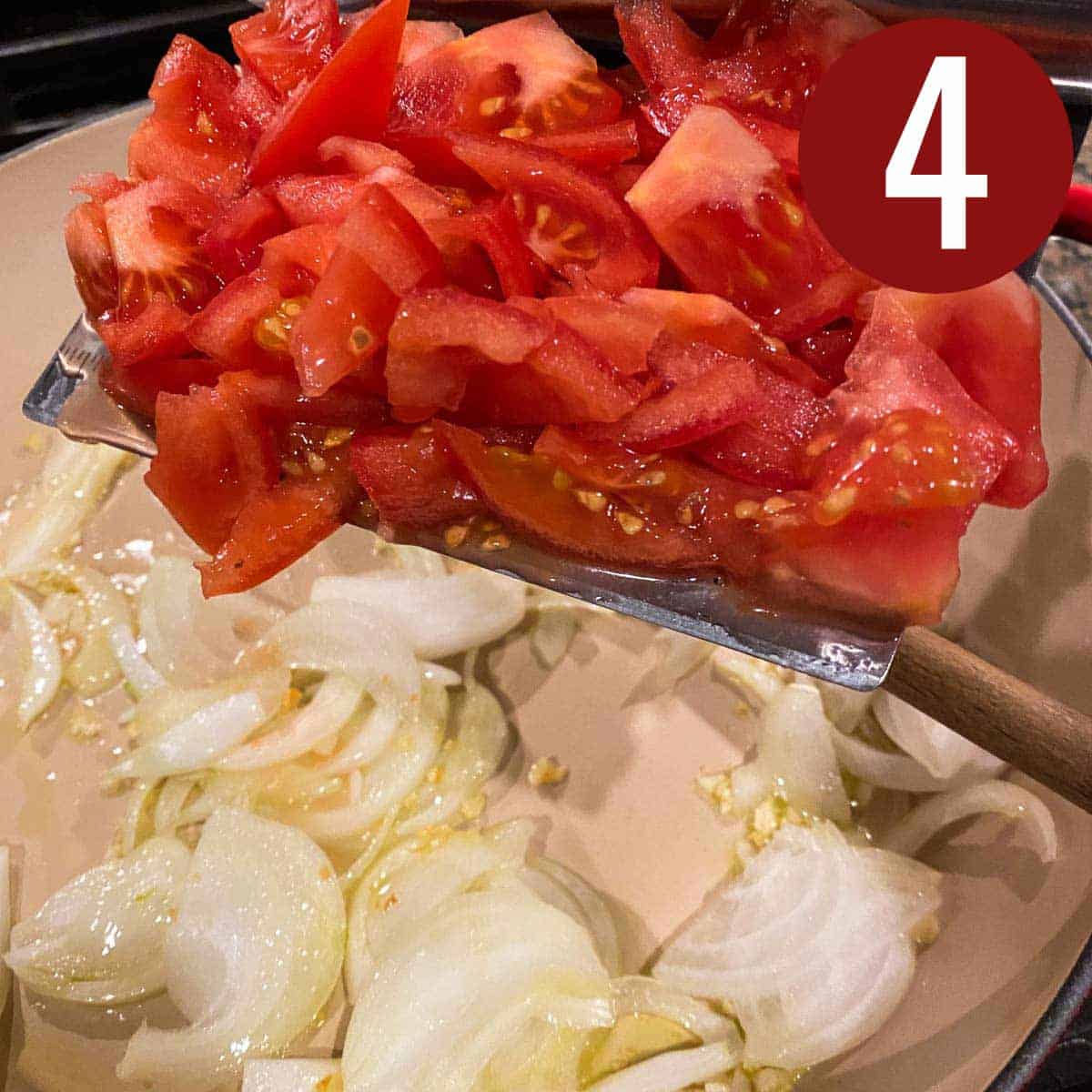
Step 4: Sauté garlic and onions until fragrant. Add tomatoes until they become soft and mushy.

Step 5: Add sliced pork and cook until golden brown.

Step 6: Add the cooked mung beans to the casserole with the sautéed pork and vegetables. Stir well to combine.

Step 7: Add the spinach and cook until wilted. Move to incorporate. Season with fish sauce/or salt and freshly ground black pepper.

Step 6: Taste and adjust seasoning if necessary. Serve over cooked steamed rice. Enjoy!
Replacements
If you need to make substitutions for some of the ingredients in the Ginisang Monggo with Pork recipe, here are some alternatives to consider:
- Mung beans (Monggo beans):
- Substitute with red or green lentils, split peas or black-eyed peas.
- Pork Belly:
- Substitute with pork shoulder, pork loin, pork ribs, ground pork or chicken for a leaner option.
- For a vegetarian version, omit the meat altogether and add extra vegetables or tofu.
- Onion and Garlic:
- Substitute onion or garlic powder if you are out of fresh onions or garlic. Adjust the amount according to your taste preference.
- Tomatoes:
- Canned diced tomatoes or tomato sauce can be used if fresh tomatoes are unavailable.
- Sun-dried tomatoes can add a different flavor.
- Spinach:
- A typical Filipino recipe calls for moringa leaves, kangkong or malunggay leaves. If none of these are available, Swiss chard, kale or any leafy green can be used instead.
- Fish Sauce:
- Cooking Oil:
- Olive oil, vegetable oil or any cooking oil of your choice can be used.
Remember to adjust quantities and cooking times according to your specific substitutions.
Variations
There are many variations you can try to customize Monggo Guisado with Pork according to your taste preferences or ingredient availability. Here are some ideas:
- Spicy Monggo:
- To give your dish a spicy kick, add chopped chilies, chili peppers or some hot sauce.
- Coconut Milk Monggo:
- Stir in coconut milk for a creamy and rich variation. Add it at the end of cooking for a delicate texture.
- Smoky Taste:
- Enhance the flavor by adding smoked paprika or a touch of liquid smoke for a smoky undertone.
- Herb-infused Monggo:
- Include fresh herbs such as cilantro, parsley or basil for a burst of freshness.
- Citrus Twist:
- Squeeze some calamansi or lime juice at the end of cooking for a citrusy zing.
- Meat Variation:
- Instead of pork, try using chicken, beef or shrimp for a different protein source.
- Vegetarian/Vegan Please:
- Leave out the meat and use vegetable broth. Add extra vegetables, tofu, or meat alternatives like seitan.
- Turmeric Monggo:
- Add a pinch of turmeric powder for both color and its earthy flavor.
- Ginger Infusion:
- Include grated ginger for added heat and depth of flavor.
- Salted Shrimp Paste (Bagoong):
- Serve with sautéed shrimp paste on the side for those who enjoy its tangy flavor.
Storage and Reheating Leftovers for Ginsang Munggo
Storage
- Cooling:
- Allow the Monggo Guisado to cool to room temperature before storing.
- Container:
- Transfer the leftovers to an airtight container. Glass or plastic containers with tight-fitting lids work well.
- Refrigeration:
- Store leftovers in the refrigerator within 2 hours of cooking. Monggo Guisado can be refrigerated for up to 3-4 days.
Reheating
- Microwaves:
- Place the desired portion in a microwave-safe dish, cover with a microwave-safe lid or a damp paper towel to prevent drying, and heat in between, stirring until evenly heated.
- Kitchen:
- Reheat on the stovetop in a saucepan over medium heat. Stir frequently to ensure even heating and prevent the mixture from sticking to the bottom.
- Steamship:
- If you have a steamer, you can reheat the Monggo Guisado by placing it in a hot dish and steaming it until fully heated.
- Oven:
- For larger quantities, you can reheat in the oven. Place the Monggo Guisado in an oven-safe dish, cover with foil and heat on low (about 300°F or 150°C) until heated through.
Best tips
- Add moisture if needed:
- If the dish seems dry after reheating, add a little water or broth to restore moisture.
- Reheat in batches:
- If you have leftovers, consider reheating them in smaller batches to ensure even heating.
- Check for Freshness:
- Always check the leftovers for any signs of spoilage before reheating. If it looks or smells bad, it’s best to throw it away.
- Avoid Frequent Reheating:
- Try not to reheat the same batch of food multiple times to minimize the risk of bacterial growth.
Frequently Asked Questions
Monggo Guisado is a Filipino dish made with mung beans (mongo) cooked with various ingredients such as meat (often pork), vegetables, and spices.
It is pronounced as “mong-goh gee-sah-doh.”
Yes, Monggo Guisado is a traditional Filipino dish that reflects the country’s culinary heritage and inventive use of ingredients.
Yes, you can use other meats like chicken, beef or shrimp. You can also make a vegetarian version by omitting the meat or using tofu.
You don’t need to soak monggo beans to make this ginisang monggo with pork recipe. Boiling the mung beans in water will soften them.
Conclusion
Having concluded our exploration of Monggo Guisado, we celebrate the timeless appeal and adaptability of this beloved Filipino dish.
From its humble origins to the varied interpretations found in homes across the Philippines, Monggo Guisado stands as a testament to the culinary ingenuity embedded in Filipino culture.
As you savor the flavors and partake in the traditions, let every bite of this hearty dish connect you with the warmth and richness of Filipino heritage.
Other Filipino Recipes
Want to try something new? Be sure to try these Filipino recipes!
Philippine Fan Favorites
Check out these tried and true recipes that are favorites!
📖 Recipe
Grilled Monggo with Pork Recipe Philippine Mung Beans
Create this wholesome and nutritious dish with mung beans, pork, and a mix of vegetables for dinner tonight!
Ingredients

Method
-
Wash the mung beans thoroughly to remove any impurities.
1 cup mung beans
-
Combine the mung beans and 4 cups of water in a saucepan. Bring to a boil, then reduce heat to simmer until tender (usually about 30-40 minutes). Add more water if necessary. separate
4 cups Water
-
Mince the garlic, cut the onions and tomatoes. Cut the pork.
4 cloves of garlic, 1 medium onion, 2 medium Tomatoes
-
In a separate pan, heat oil over medium heat. Sauté garlic and onions until fragrant. Add the diced tomatoes and cook until they become soft and mushy, about 2 to 4 minutes.
-
Add sliced pork belly and fry until golden brown, about 3 minutes.
1 cup pork belly
-
Add the cooked mung beans with the water to the pan with the pork and sautéed vegetables. Mix well and boil for 10 minutes.
2 cups Fresh spinach
-
Add the spinach to the pan and cook until wilted for about 5 minutes—taste and season with fish sauce (or salt) and freshly ground black pepper.
1 teaspoon Freshly ground black pepper, 1 spoon of fish sauce
-
Serve immediately over hot steamed white rice. Enjoy!
Notes
- See the “Variations” and “Substitutions” sections to make this recipe your own.
- Ginisang Monggo Beans can be served as a delicious soup, with steamed white rice, or even with crusty bread to soak up all the delicious flavors.
Please share @JOZmahal on social. Thank you!