
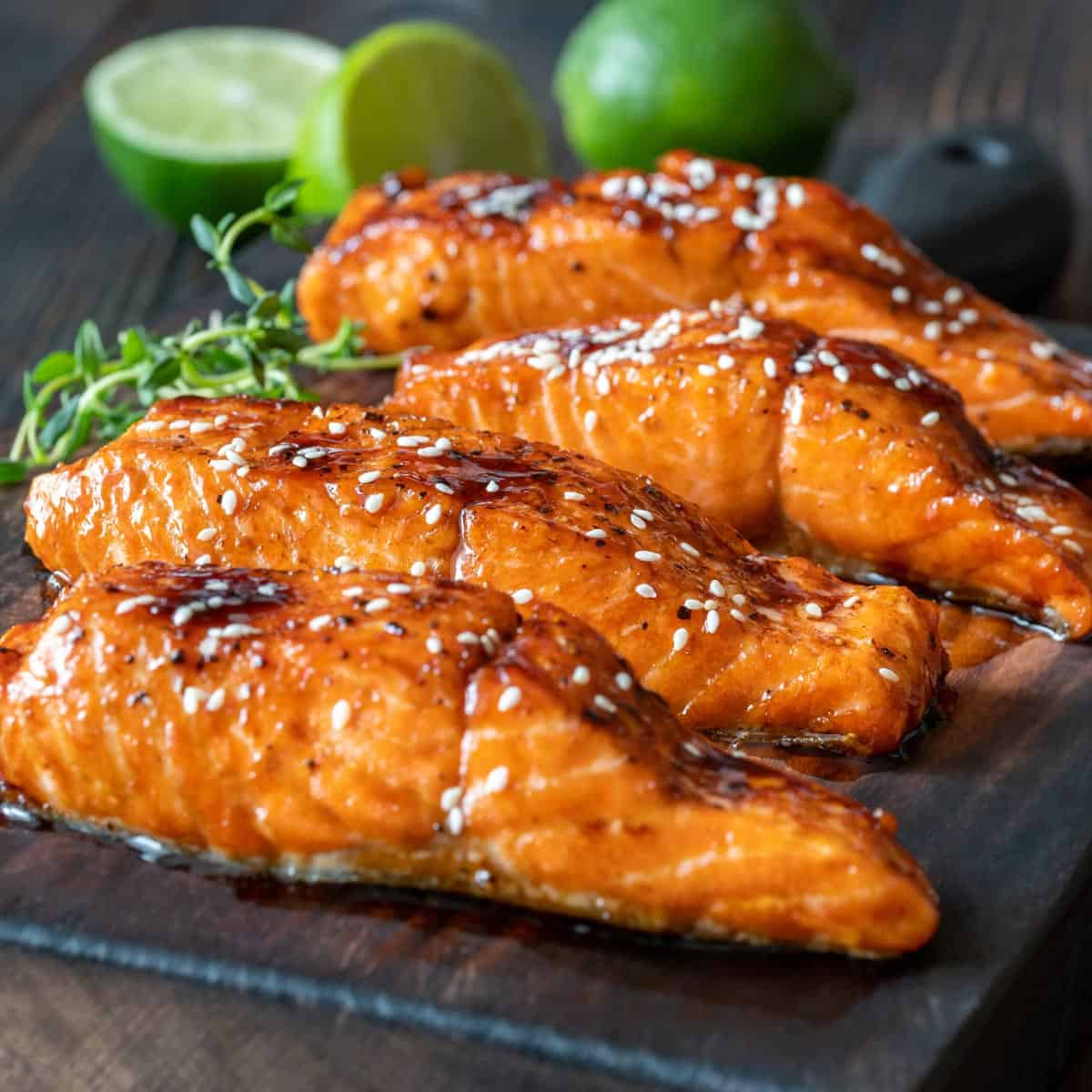
In the search for a healthy and tasty diet, salmon appears as a first choice. This versatile fish, known for its rich flavor and many health benefits, can be transformed into many delicious dishes, such as my version of Grilled Cedar Planked Salmon with Maple Dijon Glaze. However, an essential aspect of enjoying salmon to its fullest is understanding proper storage techniques – in particular, how long cooked salmon can be safely stored in the refrigerator.
Jump to:
What Is Cooked Salmon?
Cooked salmon is more than just a tasty entree; it is a powerhouse of nutrition and a testament to the versatility of seafood in the culinary arts.
When we talk about cooked salmon, we are referring to salmon that has undergone a cooking process, such as grilling, baking, roasting, steaming or pan-frying. These processes not only improve its taste, making it appealing to a wide range of palates, but also make it safer to consume by killing potentially harmful bacteria and parasites that may be present in raw fish.
How Long is Cooked Salmon Good in the Refrigerator
Understanding how long cooked salmon can be stored in the refrigerator is key to enjoying its deliciousness while maintaining food safety.
According to the United States Department of Agriculture (USDA)cooked salmon is safe to keep in the refrigerator for 3-4 days when stored properly at or below 40 degrees Fahrenheit.
These guidelines help ensure that the salmon remains safe and pleasant in terms of taste and texture.
Why the 3-4 Day Rule is Important
The 3-4 day rule is a general guideline to minimize the risk of foodborne illnesses.
Bacteria grow rapidly between 40°F and 140°F, often referred to as the “danger zone.” Proper refrigeration slows bacterial growth, making the salmon safe to eat within this time frame.
After 3-4 days, the risk of bacterial contamination increases, as does the chance of food poisoning.
If you are not sure if you will be consuming the cooked salmon within 3-4 days, consider freezing it.
Cooked salmon can be frozen for up to six months. While freezing can slightly affect its texture, it’s a great way to extend its shelf life and ensure you always have a quick and healthy protein option.
How to Store Cooked Salmon: A Detailed Guide
Storing cooked salmon properly is crucial to maintaining its flavor, texture and safety. Did you enjoy delicious Grilled Cedar Planked Salmon with Maple Dijon Glaze or any other salmon dish, following proper storage guidelines will ensure that your leftovers stay as delicious as they were freshly made. Here’s a step-by-step guide to storing cooked salmon in the fridge or freezer:
Cooling down
Cool Prompt: Allow the cooked salmon to cool to room temperature within two hours of cooking. This step is essential to prevent the growth of harmful bacteria by avoiding prolonged exposure of the salmon to the temperature “danger zone” (40°F to 140°F).
Chilled Cooked Salmon
- Airtight Container: Place the cooled salmon in an airtight container. This could be a plastic container with a tight lid or a glass container that helps prevent the salmon from drying out and protects it from absorbing other flavors in the refrigerator.
- Wrap tightly: If you don’t have an airtight container suitable for the salmon, wrap it tightly in plastic or aluminum foil. Make sure the wrap is tight against the fish to minimize exposure to air.
- Cool properly: Once wrapped or contained, place the salmon in the coldest part of your refrigerator, usually at the back of a shelf, away from the door. This area experiences the smallest temperature fluctuations, keeping your salmon at a consistent, cool temperature.
Freezer Cooked Salmon
- Prepare for Freezing: If you anticipate not consuming the cooked salmon within 3-4 days, freezing is a great option to extend its shelf life. Wrap the salmon tightly in plastic wrap or aluminum foil, then place it in a freezer bag or airtight freezer-safe container. Squeeze out as much air as possible before sealing to prevent freezer burn.
- Label and Date: Write the current date on the freezer bag or container. This helps you track how long the salmon has been frozen and ensures that you use it within the optimal quality period, up to six months.
Tips For Storing Cooked Salmon So It Stays Fresh
- Use a damp paper towel to wrap the salmon before placing it in an airtight container. This helps retain moisture.
- Adding a splash of lemon juice before storing can improve freshness and add a mild fragrance.
- Always store salmon on the lowest shelf of your refrigerator to keep it at the coolest temperature.
How to Reheat Stored Salmon
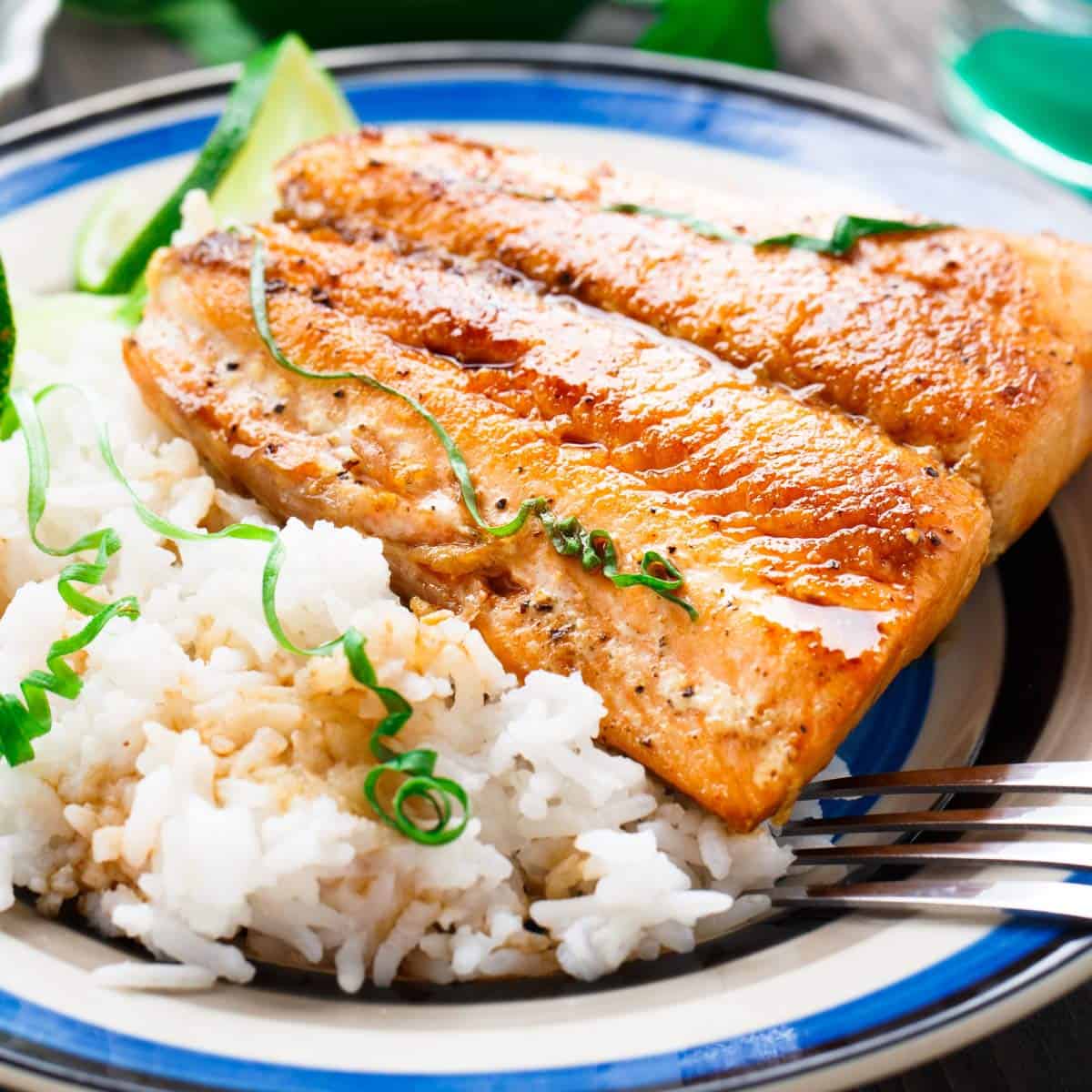
Reheating preserved salmon properly is crucial to preserving its flavor, moisture and nutritional value, ensuring it remains a delightful meal even after cooling or freezing. Here’s how to reheat your preserved salmon:
From the Fridge
- Mild Heat: To reheat salmon from the refrigerator, use gentle heating methods to prevent it from drying out. The oven or toaster is an excellent choice, providing even heat distribution. Preheat your oven to about 275 degrees Fahrenheit, the best temperature to heat salmon without further cooking.
- Add moisture: Before reheating, lightly brush the salmon with olive oil or add a small amount of water to the bottom of the dish. This step helps preserve the salmon’s moisture, improving its flavor and texture.
- Cover with Foil: Wrap the salmon loosely in aluminum foil or cover the oven-safe dish with foil. This creates a steamy environment inside the foil, preventing the salmon from drying out.
- Heating Time: Heat the salmon for about 15 minutes or until it reaches an internal temperature of 125 to 130 degrees Fahrenheit. A food thermometer can help ensure you reach the correct temperature without overcooking.
From the Freezer
If your salmon is frozen, it’s important to thaw it safely before reheating:
- Thaw Safely: Move the salmon from the freezer to the refrigerator the night before you will eat it, allowing it to thaw gradually. This is the safest method to reduce the risk of bacterial growth.
- Room Temperature: Once thawed, let the salmon sit at room temperature for about 15 minutes before reheating. This step helps bring the salmon closer to the desired internal temperature, ensuring more even reheating.
- Reheat Gently: Follow the same steps as refrigerated salmon, using a gentle heat and covering the salmon with foil to keep it moist.
Microwave Method
While the oven is the best way to reheat salmon to maintain its quality, the microwave can be used as a faster option:
- Microwave-Safe Plate: Place the salmon on a microwaveable plate.
- Cover with a Wet Paper Towel: Cover the salmon with a damp paper towel to add moisture and prevent splattering. This helps create a steamy environment, similar to the method of foil in the oven.
- Low Power: Use a low power setting or the “reheat” function if your microwave has one. Reheat in 30-second intervals, checking the temperature between intervals to avoid overcooking.
- Let it Rest: After reheating, let the salmon rest for a few minutes. This allows the heat to distribute evenly throughout the fish.
Pan Method
- Low to Medium Heat: Start by placing your pan on the stove over low to medium heat. This range is the best way to gently heat the salmon without overcooking it. High heat can dry out the fish and make it tough.
- Add moisture: Add a small amount of olive oil or a tablespoon of water before placing the salmon in the pan. Olive oil can help keep the salmon moist and add a little richness to its flavor.
- Skin Side Down: If your salmon has skin, start by placing it skin side down in the pan. This approach can help slightly crisp the skin and prevent the fish from sticking to the pan.
- Cover the Pan: Use a lid or aluminum foil to cover the pan lightly. Covering helps trap steam, creating a moist environment that reheats the salmon evenly without drying it out.
- Warm up Gently: Heat the salmon for 3-5 minutes, depending on its thickness. The goal is to reach an internal temperature of 125 to 130 degrees Fahrenheit, which can be checked with a food thermometer.
Air Fryer Method
- Preheat the Air Fryer: Preheat your air fryer to about 275 degrees Fahrenheit. Starting with a preheated air fryer ensures that the salmon reheats evenly and quickly.
- Prepare the Salmon: Place the salmon in the air fryer basket. There is no need to add oil as the air fryer circulates hot air to reheat the salmon. However, you could lightly brush the salmon with olive oil for extra moisture.
- Use Parchment Paper: To prevent the salmon from sticking and make cleanup easier, consider placing a piece of parchment paper under the salmon in the air fryer basket.
- Reheat Gently: Cook the salmon for about 3-7 minutes, checking halfway through. The exact time will depend on the thickness of the salmon and the model of your air fryer. The salmon must reach an internal temperature of 145 degrees Fahrenheit for food safety.
- Let it Rest: After reheating, let the salmon rest for a few minutes in the air fryer basket before serving. This resting period allows the juices to redistribute, ensuring that the salmon is moist and delicious.
Additional Tips
- Avoid High Heat: Reheating salmon at too high a temperature or for too long can make it dry and tough. Gentle reheating is key to maintaining its delicate texture.
- Uniform Pieces: For even reheating, make sure the salmon pieces are of uniform thickness. This helps all parts of the salmon reach the ideal temperature at the same time.
- Avoid overcrowding: Avoid overcrowding the salmon with a pan or air fryer. Overcrowding can lead to uneven heating and humidity.
- Adding Flavor: To enhance the flavor of reheated salmon, consider adding a squeeze of lemon juice or a drizzle of fresh sauce after reheating.
- Safety First: Make sure the salmon reaches an internal temperature of 145 degrees Fahrenheit when reheated to ensure food safety, especially if stored in the refrigerator for several days.
No, cooked salmon should not be left out at room temperature for more than two hours due to the risk of foodborne illness. The “two-hour rule” helps prevent the salmon from entering the danger zone where harmful bacteria can grow.
Yes, cooked salmon can be eaten cold from the fridge, stored properly and consumed within 3-4 days. It is an excellent addition to salads and cold dishes.
Yes, you can defrost salmon in the refrigerator and keep it refrigerated until you are ready to cook it. However, after thawing, it should be cooked within 1-2 days for best quality.
Looking for salmon recipes or other seafood recipes? Try these:
Pairing
These are favorite dishes you should try too!
Please share @JOZmahal on social. Thank you!